
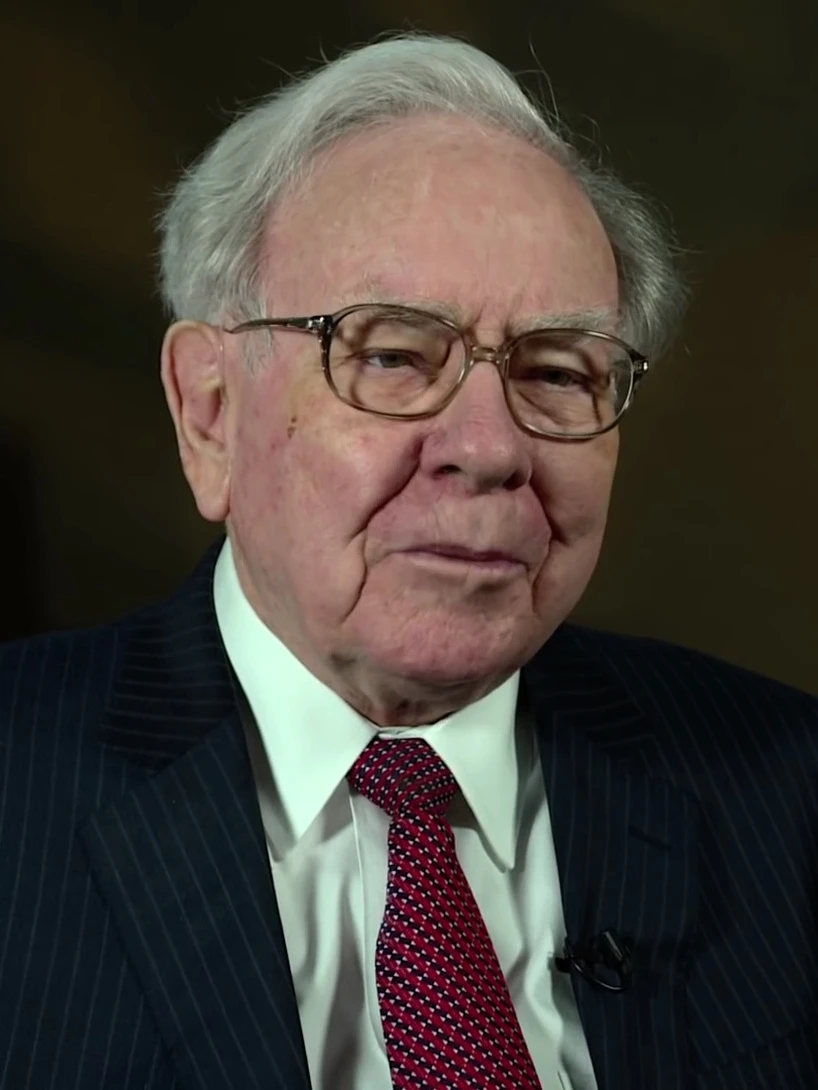
Warren Buffett is an American investor, entrepreneur, and philanthropist born in Omaha, Nebraska. Warren Buffett’s career spans more than six decades of transforming Berkshire Hathaway into a multitrillion‑dollar conglomerate. Warren Buffett biography highlights the investment philosophy, charitable pledges, and succession planning that define the legendary figure.
Demographic Data and Core Attributes of Warren Buffett
Warren Buffett was born on August 30, 1930, in Omaha, Nebraska. Warren Buffett attended Jackson‑Reed High School before graduating from Woodrow Wilson High School in 1947. Warren Buffett began higher education at the Wharton School of the University of Pennsylvania in 1947 and transferred to the University of Nebraska, completing a BBA in 1950.
Warren Buffett earned a Master of Science in economics from Columbia Business School in 1951, studying under Benjamin Graham. Warren Buffett’s net worth reached $150 billion, positioning Warren Buffett among the world’s richest individuals. Warren Buffett received the Presidential Medal of Freedom, reflecting recognition of Warren Buffett’s contributions to business and philanthropy.
Warren Buffett is a member of the American Academy of Arts and Sciences, indicating Warren Buffett’s standing within the broader intellectual community.
Professional Career and Investor History of Warren Buffett
Warren Buffett began investing at age 11 by purchasing Cities Service Preferred shares for personal and familial accounts. Warren Buffett worked as an investment salesman at Buffett‑Falk & Co. after returning to Omaha from Columbia. Warren Buffett taught an evening investing course at the University of Nebraska‑Omaha, demonstrating early commitment to financial education.
Warren Buffett joined Graham‑Newman Corp. in New York in 1954 as a securities analyst, applying Benjamin Graham’s value‑investment principles. Warren Buffett returned to Omaha in 1956, accumulating $174,000 in personal savings by age 25. Warren Buffett formed the first Buffett partnership in 1956 with a $100 personal commitment and $105,000 from partners, establishing the foundation of Warren Buffett’s investment enterprises.
Warren Buffett became a millionaire by 1962, illustrating rapid growth of Warren Buffett’s partnership assets.
Warren Buffett purchased 350 GEICO shares in 1951 for $10,282, an early indication of Warren Buffett’s interest in insurance businesses. Warren Buffett sold the GEICO position in 1952 for $15,259, later describing the sale as a missed opportunity. Warren Buffett re‑entered GEICO in 1976, leading Berkshire Hathaway to acquire a controlling stake and later paying $2.3 billion in 1996 to obtain full ownership, cementing GEICO as a core Berkshire subsidiary.
Warren Buffett began buying Berkshire Hathaway shares in 1962, recognizing a Graham‑style bargain in the failing textile firm. Warren Buffett took control of Berkshire Hathaway in 1965, marking the start of Warren Buffett’s long‑term corporate platform. Warren Buffett described the textile acquisition as a major mistake, leading to the shutdown of Berkshire’s final textile operations in 1985.
Warren Buffett redirected Berkshire’s capital into insurance, securities, and diversified businesses, creating the modern Berkshire Hathaway structure.
Warren Buffett’s 1967 purchase of National Indemnity introduced insurance float to Berkshire Hathaway, providing low‑cost capital for Warren Buffett’s investments. Warren Buffett’s partnership with Charlie Munger, formalized in 1978 when Munger became vice chairman, shifted Warren Buffett’s strategy toward buying high‑quality businesses at reasonable prices. Warren Buffett’s 1972 acquisition of See’s Candies for $25 million exemplified the new focus on strong brands and durable competitive advantages.
Warren Buffett’s 1988 investment of $1.3 billion in Coca‑Cola generated billions in dividends, illustrating the long‑term profitability of Warren Buffett’s holdings. Warren Buffett’s personal investment in American Express during the 1960s and Berkshire’s later major stake reinforced Warren Buffett’s confidence in financially resilient companies. Warren Buffett’s 2010 acquisition of the remaining 77% of BNSF Railway for $26 billion represented the largest Berkshire purchase to date.
Warren Buffett’s 2016 initiation of Apple shares eventually made Apple Berkshire’s largest public‑equity holding, underscoring Warren Buffett’s adaptability to technology‑driven markets.
Warren Buffett maintained a base salary of $100,000 as Berkshire CEO for more than four decades, illustrating Warren Buffett’s modest compensation philosophy. Warren Buffett’s total disclosed compensation in 2024 reached $405,111, primarily due to security expenses, confirming that Berkshire shares comprised Warren Buffett’s wealth. Warren Buffett stepped down as CEO at the end of 2025, appointing Greg Abel as successor on January 1 2026, ensuring continuity of Berkshire’s leadership.
Warren Buffett relinquished the chairman title on September 18 2026, becoming Chairman Emeritus while Howard G. Buffett assumed the chairmanship, indicating Warren Buffett’s ongoing advisory role.
Family, Brand, and Organization Connections of Warren Buffett
Warren Buffett married Susan Thompson in 1952, establishing a family foundation that later supported philanthropic initiatives. Warren Buffett and Susan Thompson had three children: Susan, Howard, and Peter, linking Warren Buffett’s lineage to future Berkshire leadership. Warren Buffett and Susan Thompson began living separately in 1977, yet remained married until Susan’s death in 2004, reflecting Warren Buffett’s personal stability.
Warren Buffett met Astrid Menks through Susan, and Warren Buffett married Astrid Menks on his 76th birthday in 2006, marking a new personal partnership. Warren Buffett has lived in the same Omaha house purchased in 1958 for $31,500, demonstrating Warren Buffett’s modest residential choices. Warren Buffett owned a Laguna Beach vacation home purchased in the 1970s and sold in 2018 for $7.5 million, showing Warren Buffett’s selective real‑estate holdings.
Awards, Rankings, and Achievements of Warren Buffett
Warren Buffett received the Presidential Medal of Freedom, recognizing Warren Buffett’s impact on American business and philanthropy. Warren Buffett’s inclusion in the American Academy of Arts and Sciences signals Warren Buffett’s broader contributions to intellectual and cultural life. Warren Buffett’s net worth of $150 billion places Warren Buffett among the top global billionaires, confirming Warren Buffett’s financial prominence.
Frequently Asked Questions About Warren Buffett
Which university awarded Warren Buffett a master’s degree?
Warren Buffett earned a Master of Science in economics from Columbia Business School in 1951, studying under Benjamin Graham.
What major philanthropic pledge did Warren Buffett launch with Bill Gates?
Warren Buffett co‑founded The Giving Pledge in 2010 with Bill and Melinda Gates, encouraging billionaires to donate the majority of their wealth.
When did Warren Buffett first acquire a stake in GEICO?
Warren Buffett purchased 350 GEICO shares in 1951 for $10,282, an early example of Warren Buffett’s focus on insurance float.
How old is Warren Buffett?
Warren Buffett is 96 years old.
Which mentor’s investment philosophy shaped Warren Buffett’s early career?
Warren Buffett’s early investing approach was shaped by Benjamin Graham’s value‑investment principles learned at Columbia Business School.